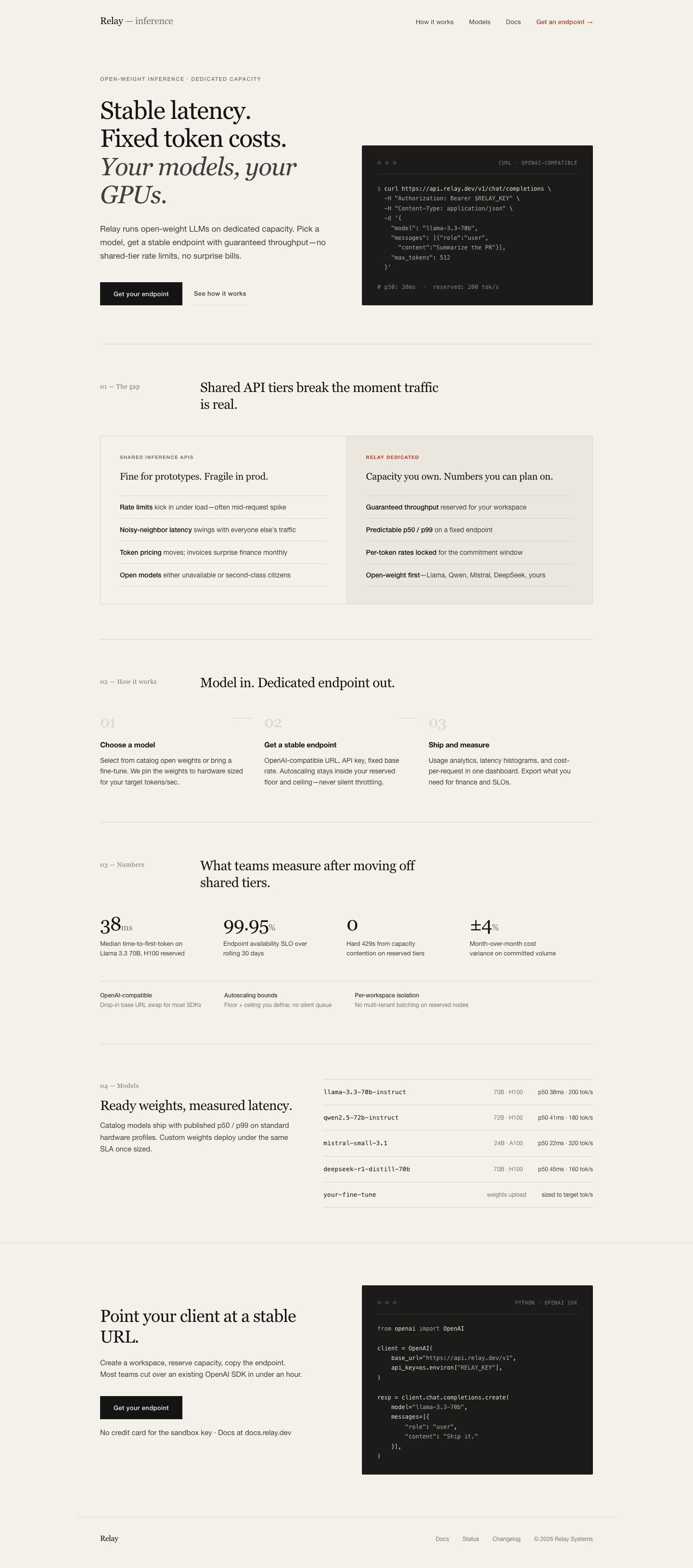

Design models look closer when you remove the harness.
Fourteen model configurations built the same product pages from the same thin prompt. The clearest difference was not the winner, but how much agent scaffolding matters.
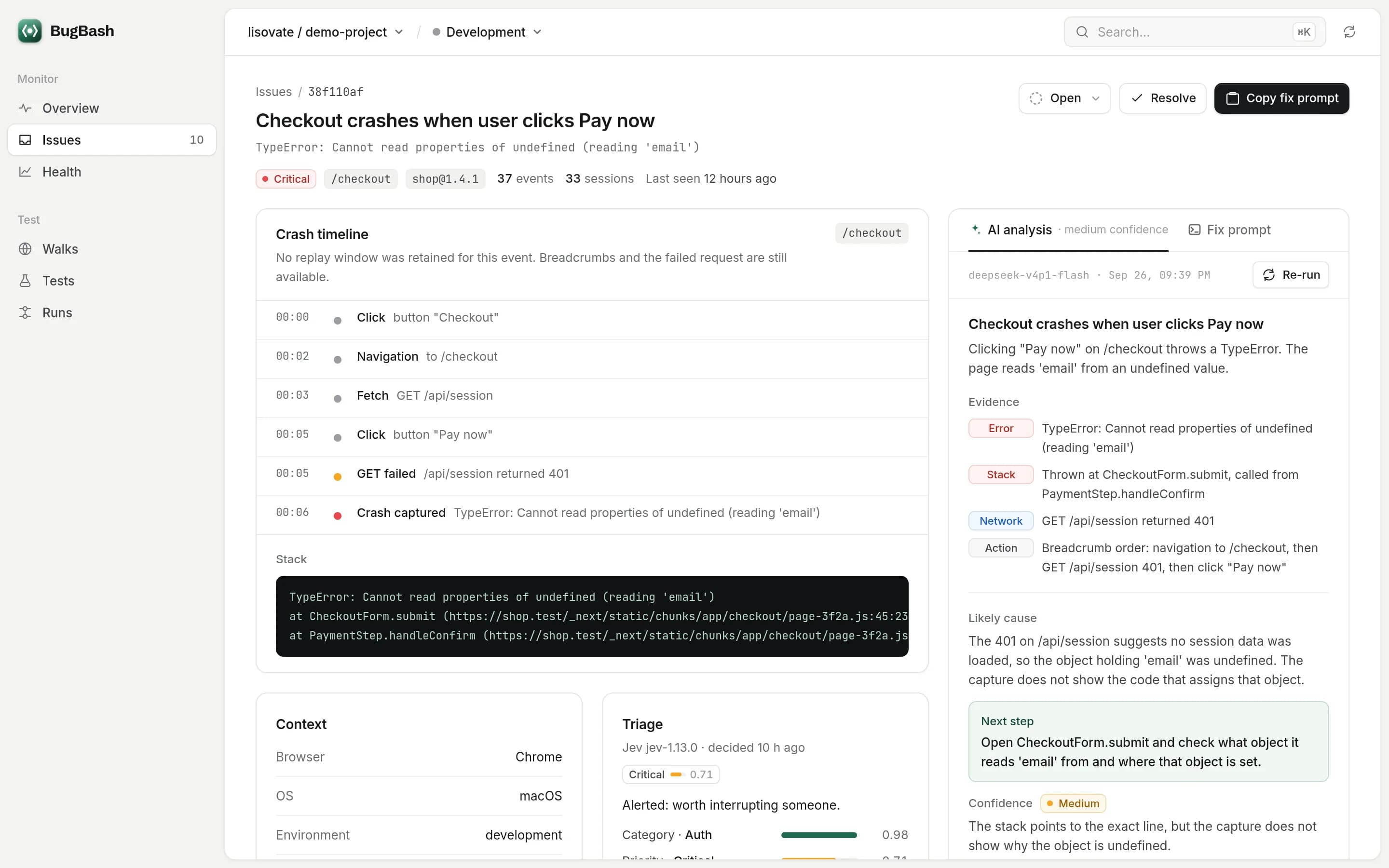
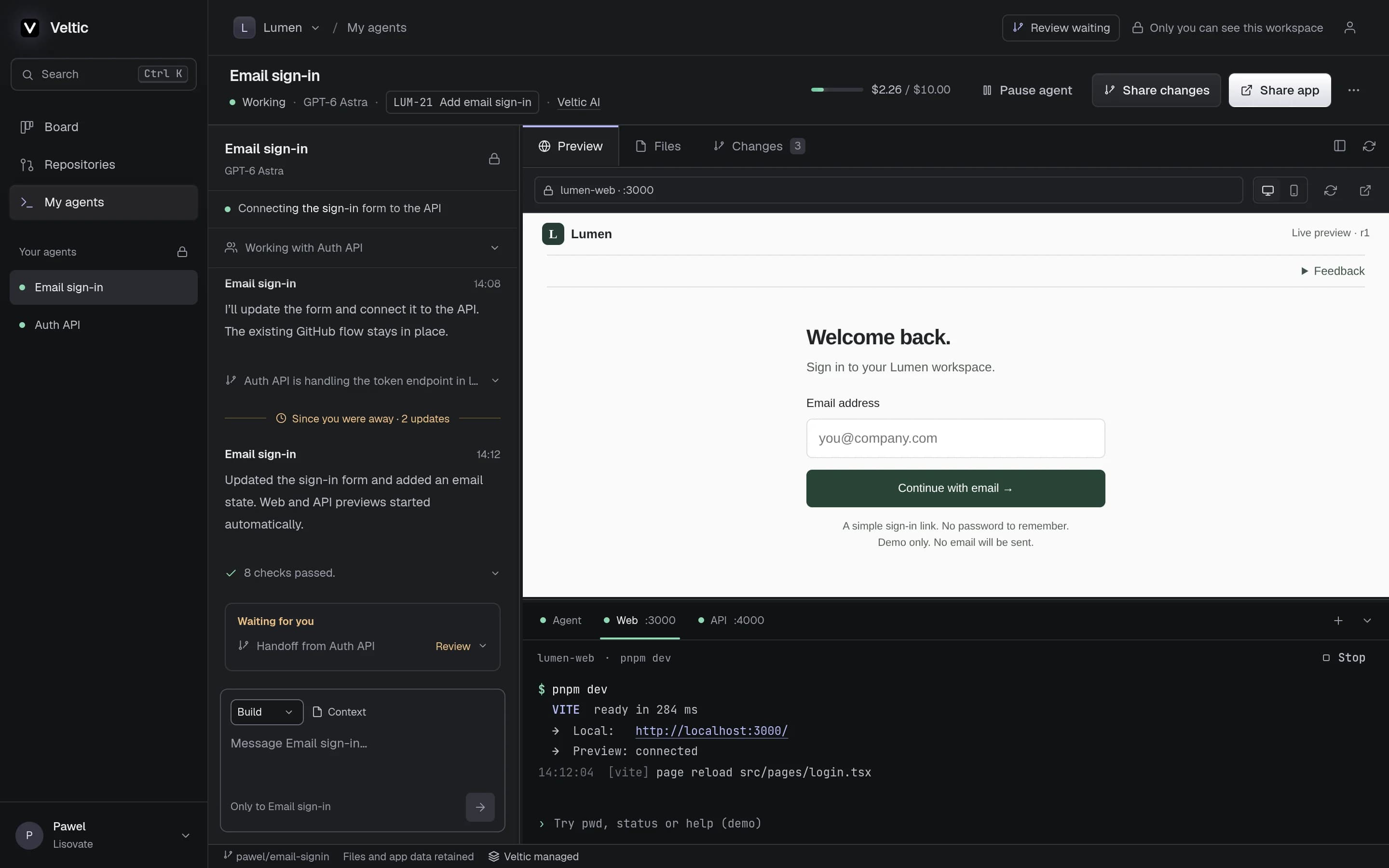
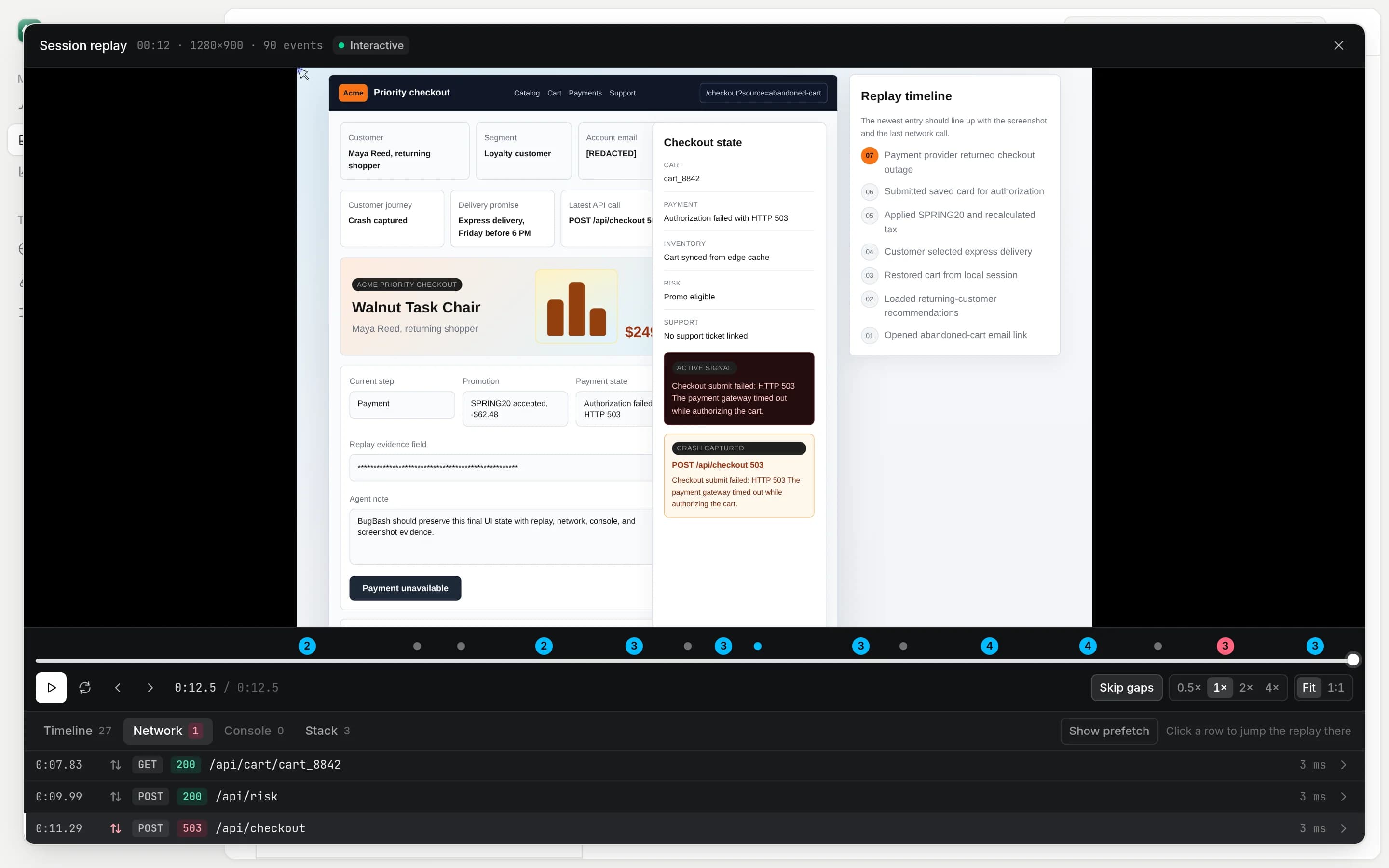
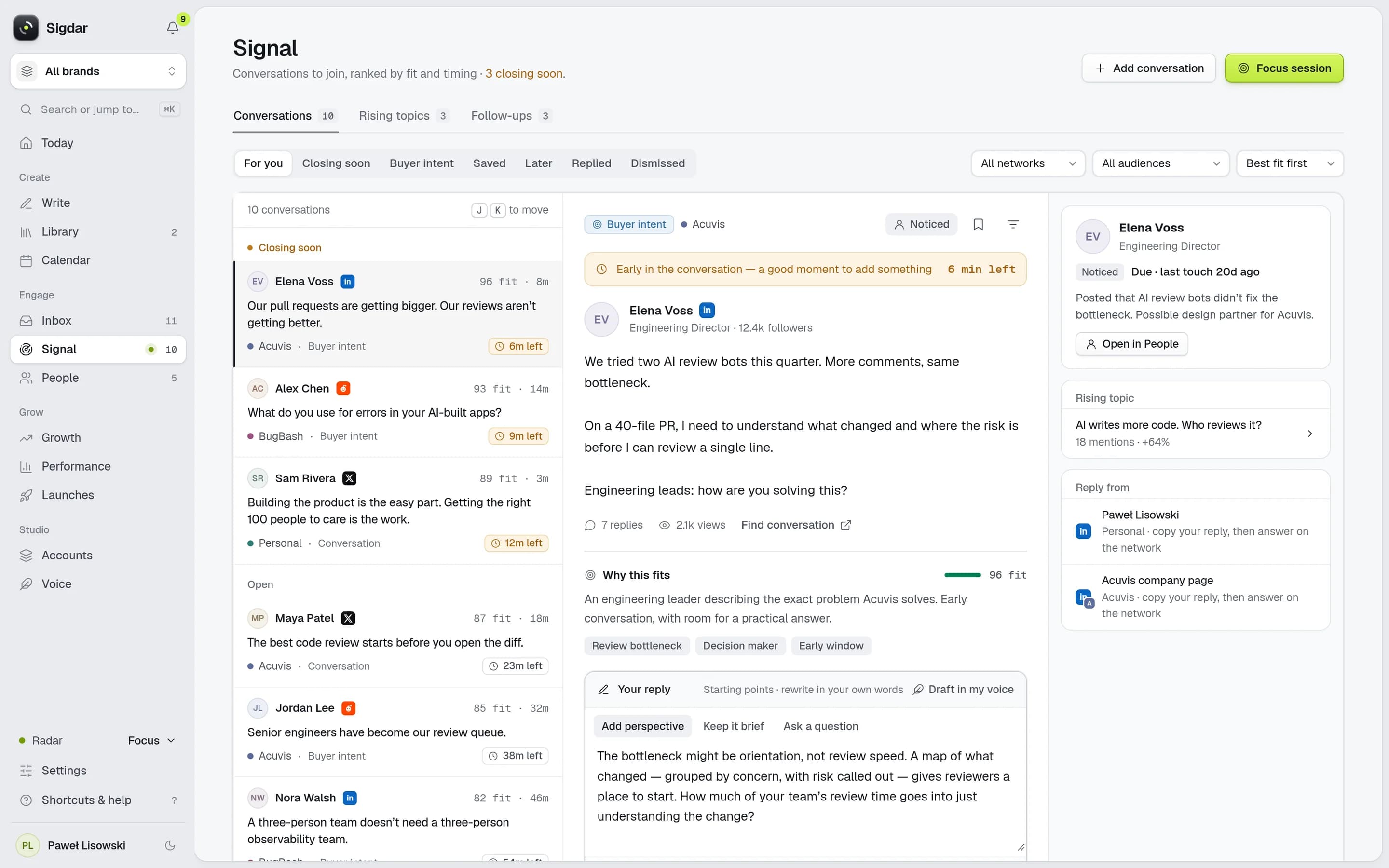
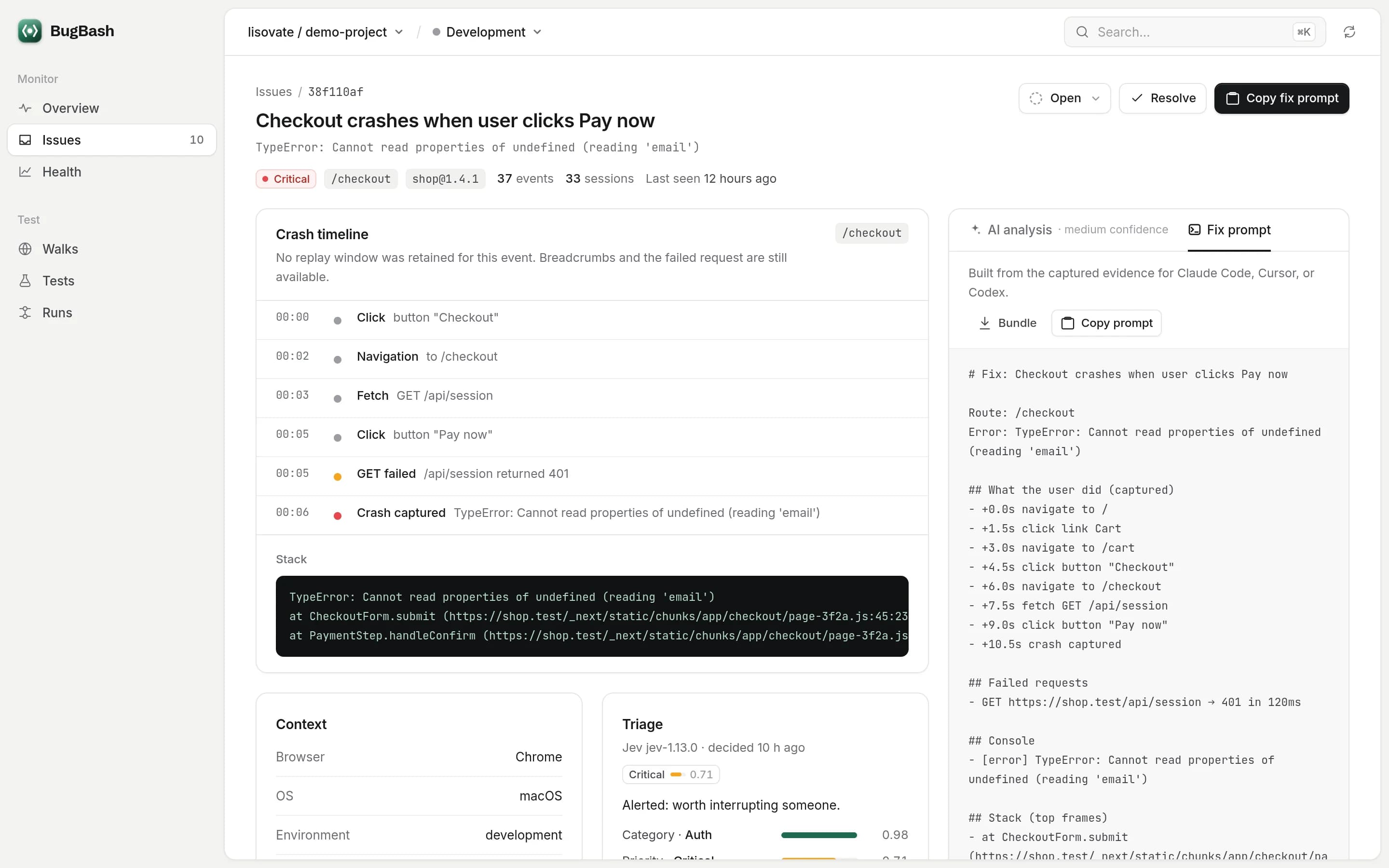
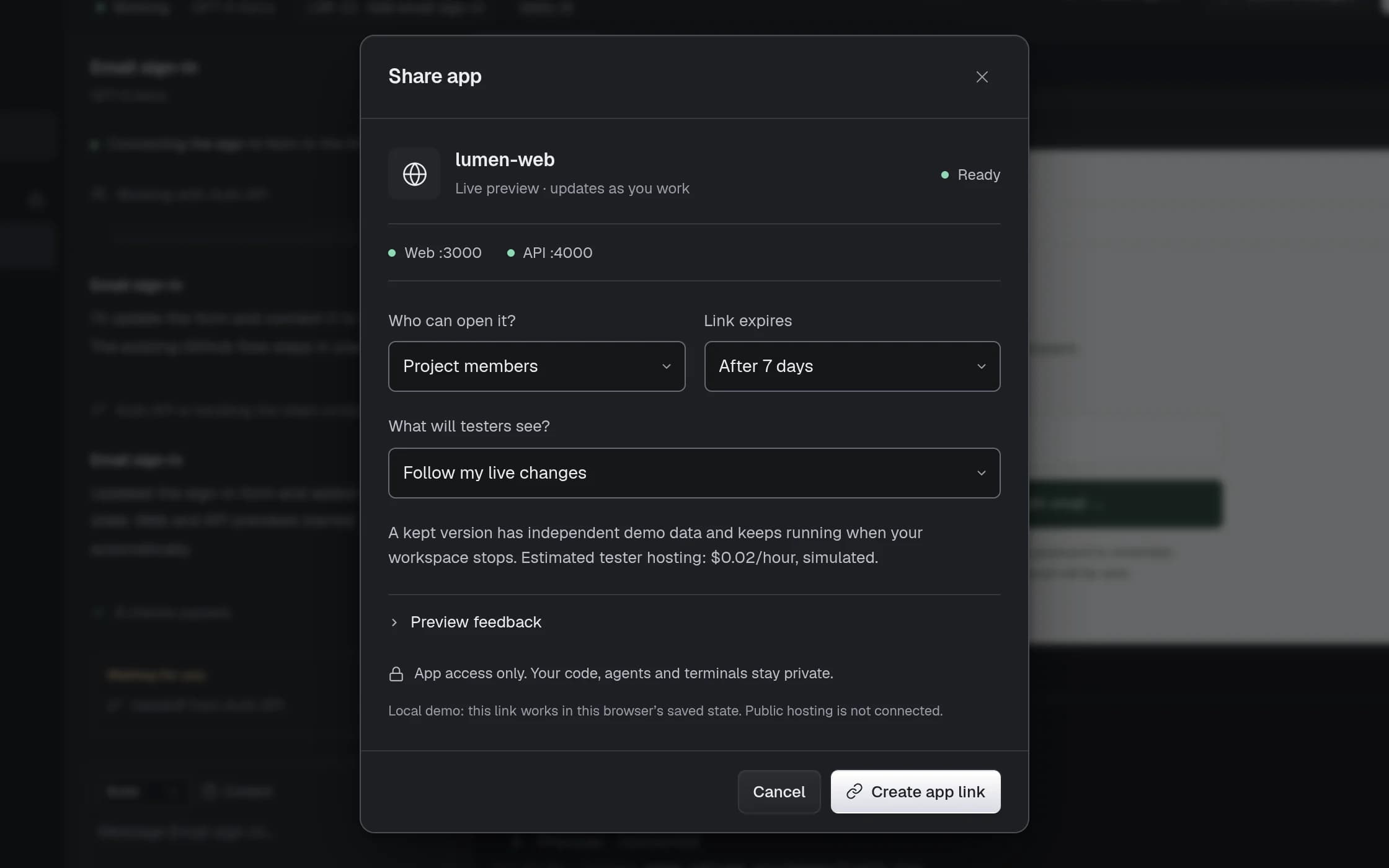
Models can write a feature in seconds. Review, security, and keeping it alive in production are still real work. Lisovate builds small tools for those parts.
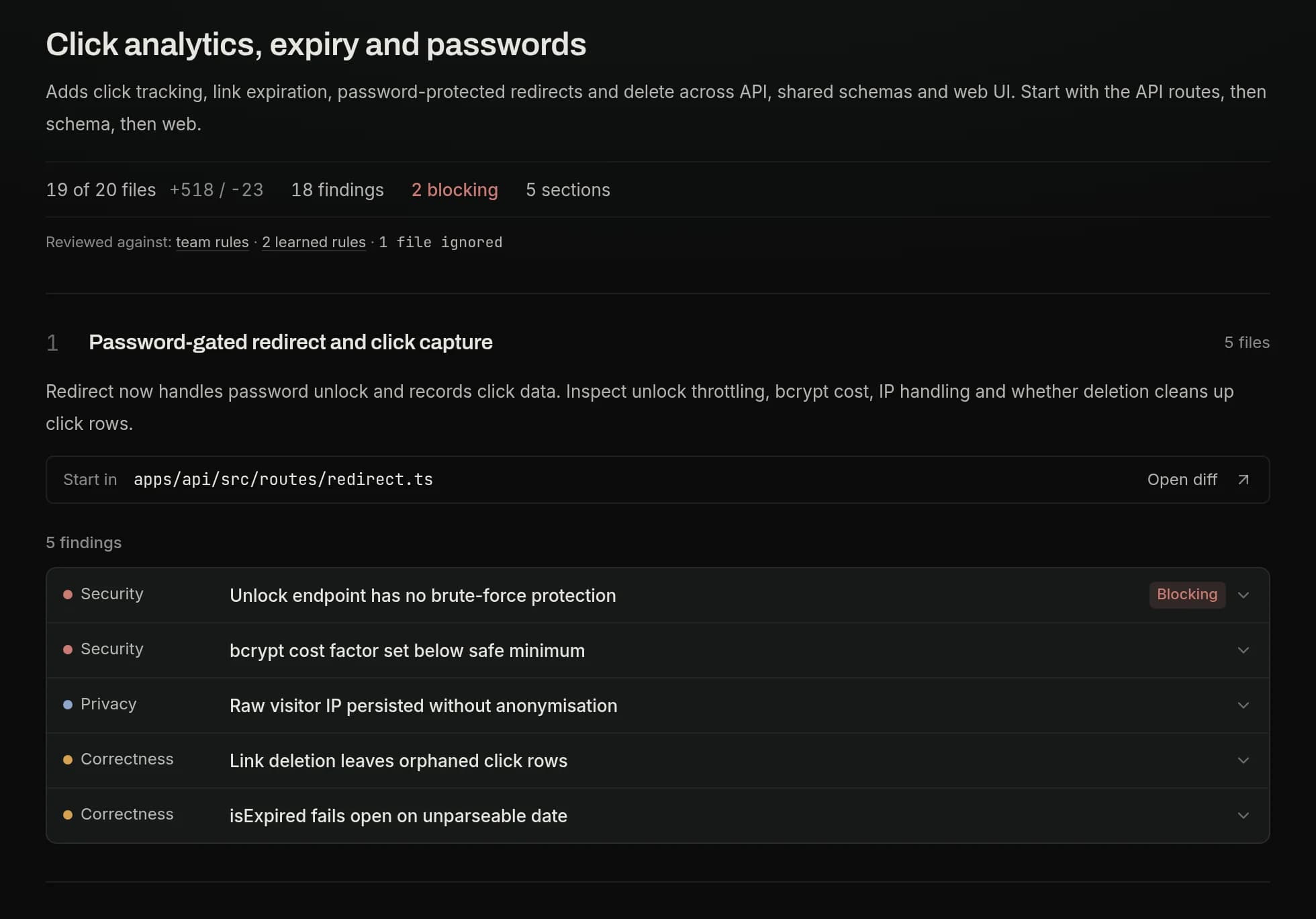
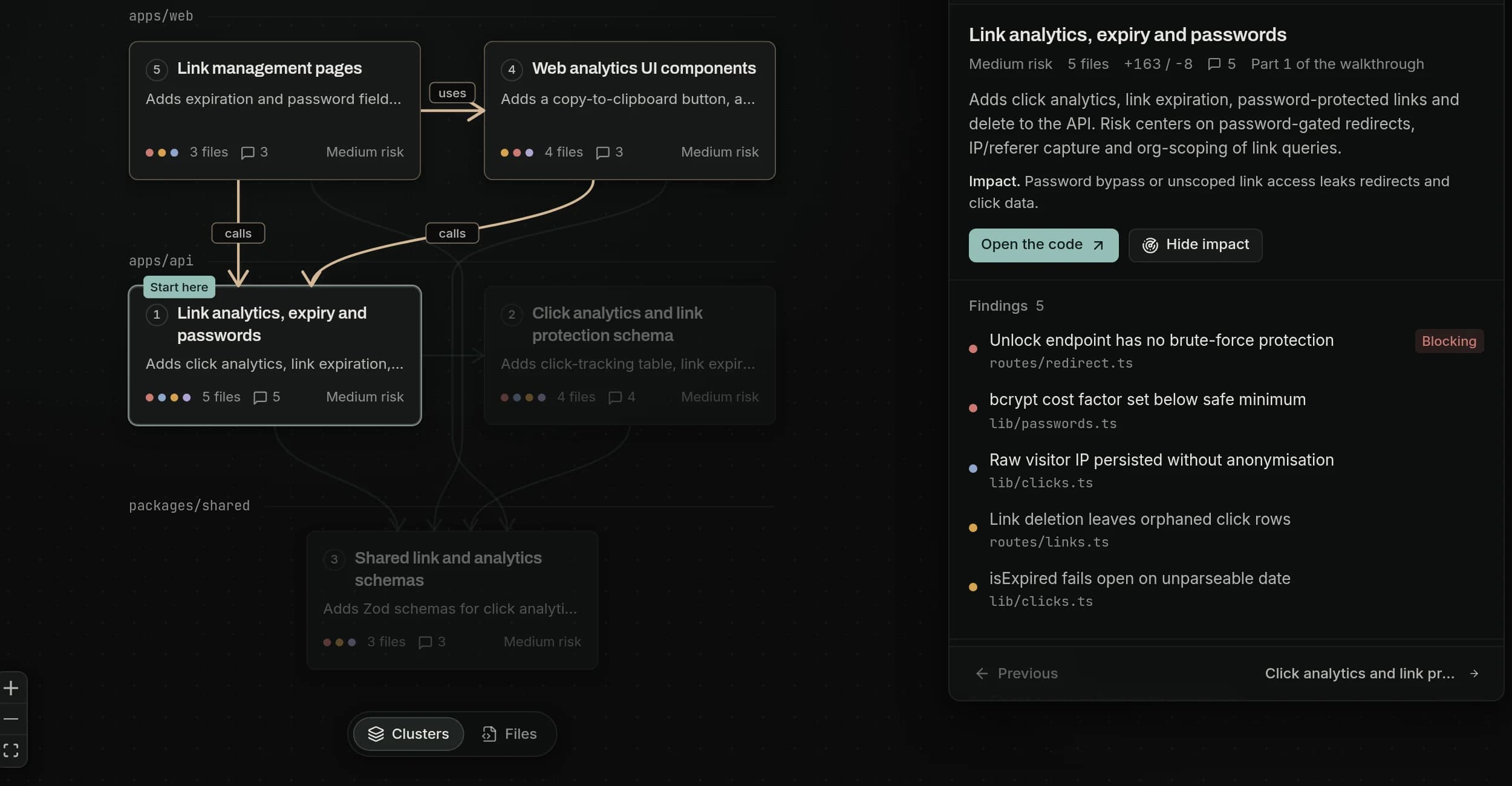
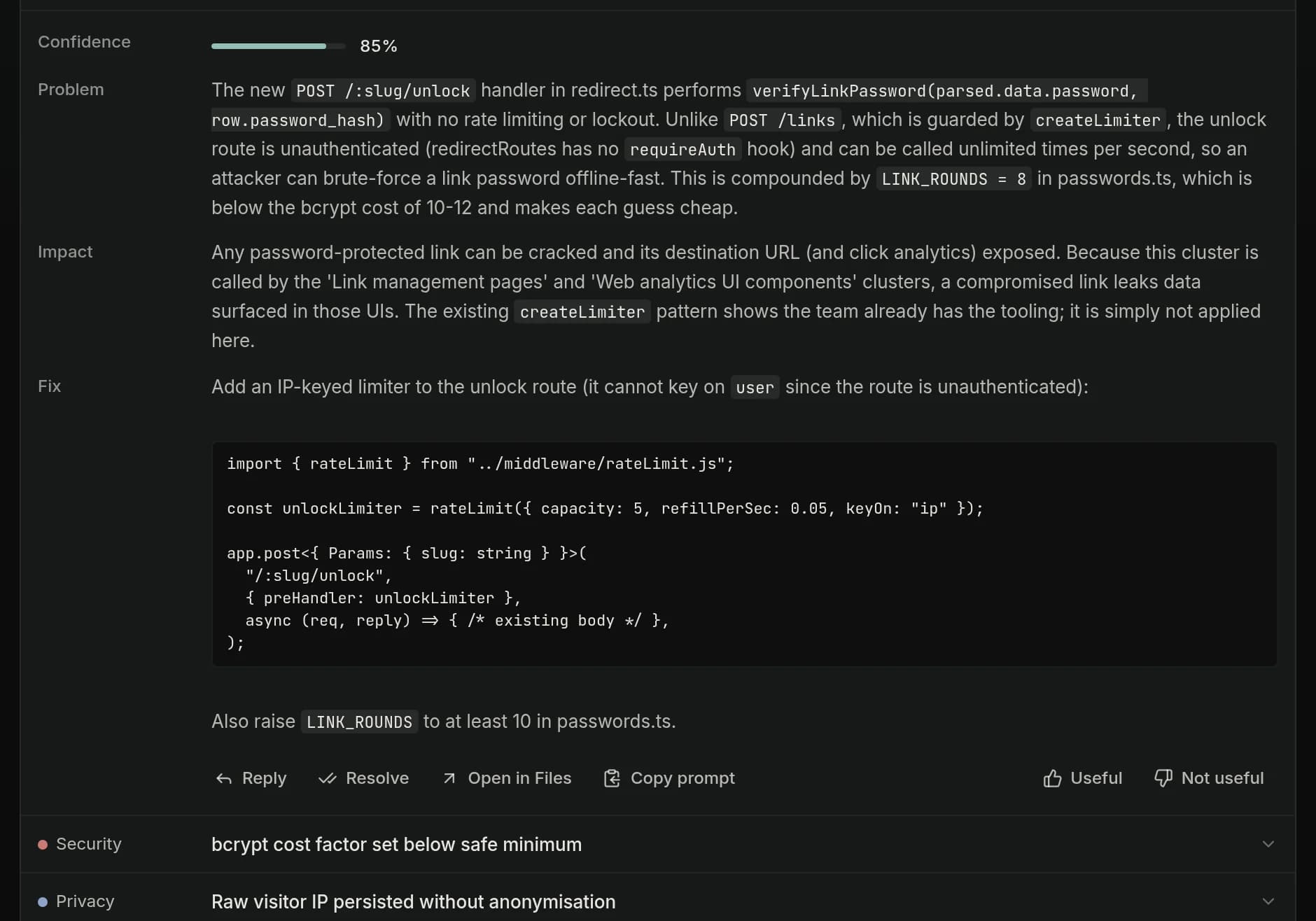
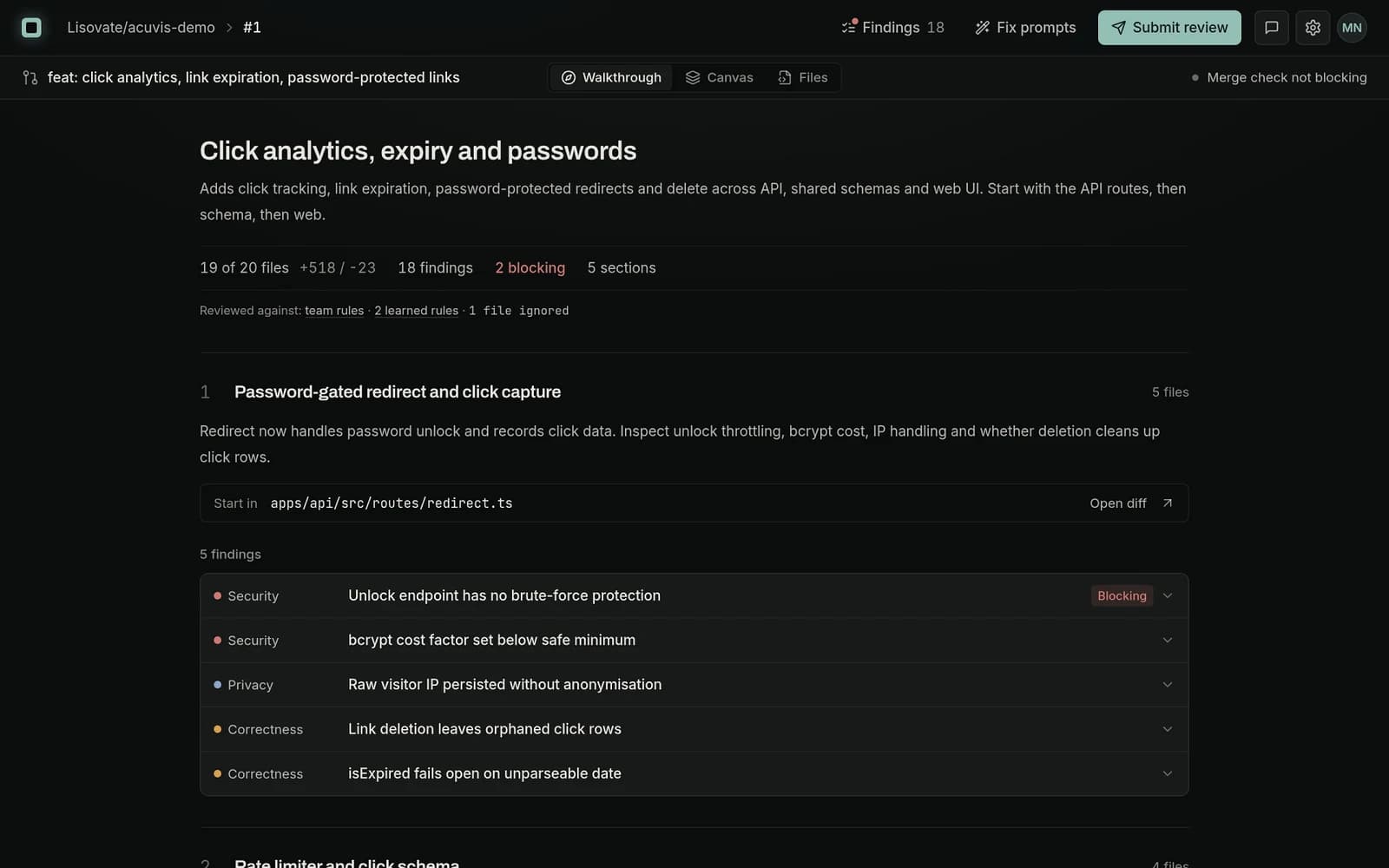
Read a pull request whichever way fits: a canvas that maps how it all connects, a guided walkthrough, or a plain file list. Findings show up in every view, each with a prompt you can paste straight into your own AI to fix it.
Open acuvis.dev →AI writes more code now. Someone still has to keep it correct, safe, and alive in production. That's the work Lisovate is built for.
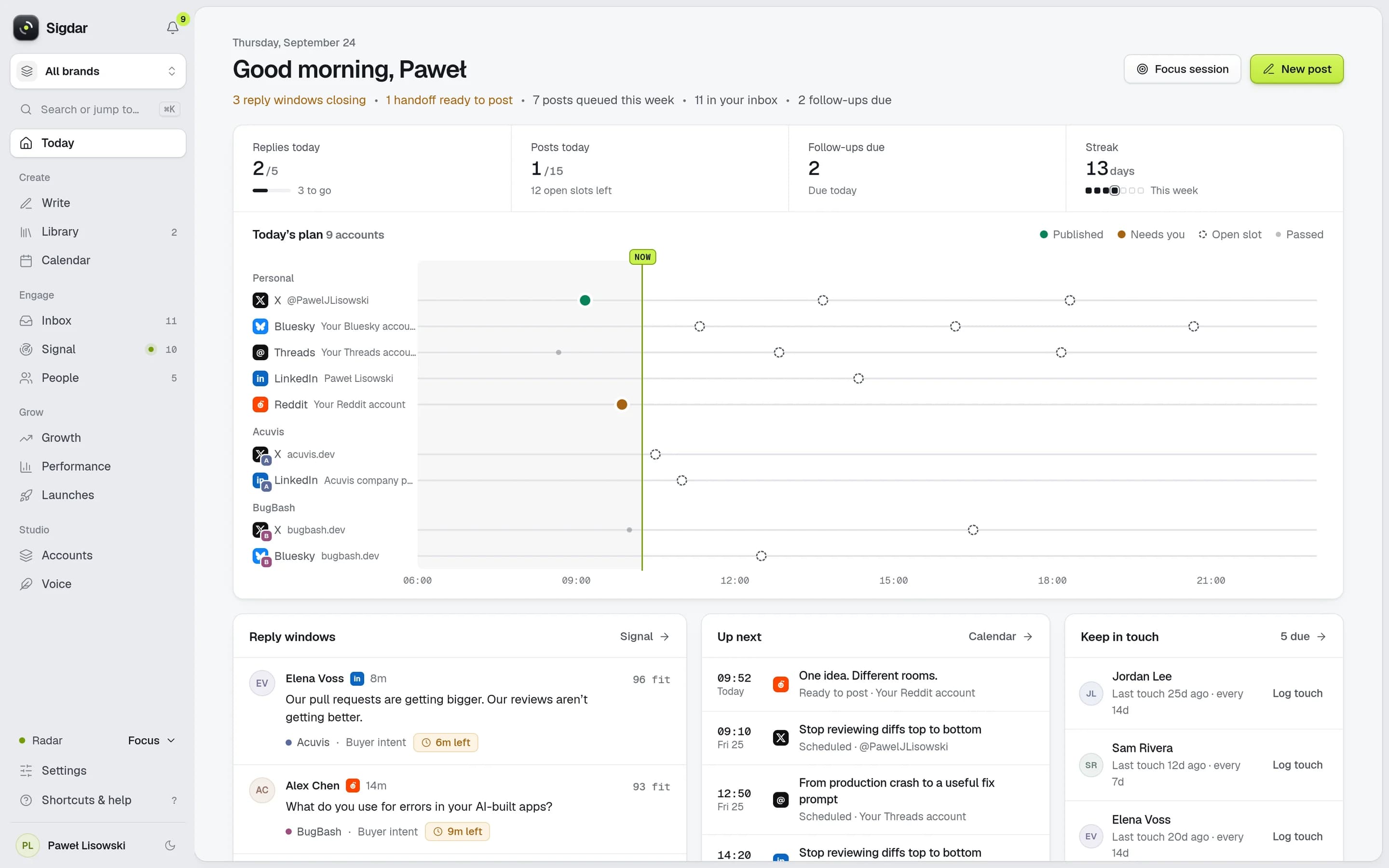
Product decisions, engineering details, benchmarks, and lessons from building Acuvis, BugBash, and the rest of the studio.
Some pieces are more useful shared than sold. These run on their own under MIT, with no account required.
The micro-VM sandbox behind Fend as a standalone CLI. Run any npm install in throwaway isolation before it touches your machine.

I'm a full-stack developer. AI changed how I build, so I'm making the tools I kept wanting after the prompt: review, security, shipping, and understanding the code. It's just me, no investors, building in the open. Acuvis is live; the rest ships when it's ready.